MARITIME EXPERTISE

Our expertise come from real projects.

TESVOLT OCEAN develops battery systems specifically for commerical maritime applications. Through vessel deployments and close collaborations with ship owners, shipyards and integrators, we continue to gain practical insights into the challenges of maritime electrification.

Explore our knowledge, insights and practical lesseons in the field.

EXPERTISE IN PRACTICE

Our Maritime Design Advantages

Maritime-Engineered from the Start

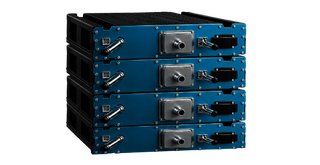
Unlike battery systems adapted from land-based applications, TESVOLT OCEAN systems are engineered specifically for maritime environments, including vibration, shock loads, salt exposure and demanding operational profiles.
Retrofit-Ready by Design
Every vessel is different. Compact dimensions, flexible installation options and modular architecture simplify integration into both retrofit and new-build projects.
Serviceability Matters
Downtime is costly. Our battery systems are designed for inspection, maintenance and replacement at module level, helping operators maximise vessel availability.

Latest Insights

Practical articles on maritime batteries, vessel electrification and real-world integration challenges.

Technology

LFP vs NMC for Maritime Applications

Article Available Soon
Electrification

Retrofit vs New-Build: Choosing the Right Battery Architecture

Article Available Soon
Retrofit

Reducing Downtime During Maritime Battery Installation

Article Available Soon
Operations

Lifecycle Intelligence: From Battery Sizing to Real-Time Operations

Article Available Soon

Frequently Asked Questions

Answers to common questions about maritime battery systems and vessel electrification.

Why don't all maritime battery systems perform the same?

A battery system may meet certification requirements, but long-term performance depends on factors such as vibration resistance, thermal management, integration design and serviceability. These factors can significantly impact maintenance requirements and operational uptime throughout the vessel lifecycle.

What's the difference between LFP and NMC batteries?

LFP (Lithium Iron Phosphate) and NMC (Nickel Manganese Cobalt) are the two most common lithium-ion battery chemistries used in maritime applications. Each offers different advantages depending on the vessel's operational requirements. LFP batteries are known for their long cycle life, thermal stability and robust safety characteristics. They are often selected for applications where space and weight are less critical, but maximum longevity and durability are priorities. NMC batteries offer significantly higher energy density, meaning more energy can be stored within the same space and weight envelope. This makes NMC particularly attractive for vessels where installation space is limited or where longer operating ranges are required. The right choice depends on the vessel, operational profile and project objectives. Factors such as available installation space, charging opportunities, range requirements, weight constraints and lifecycle expectations should all be considered when selecting a battery system. At TESVOLT OCEAN, we work with both technologies and help operators determine which solution best fits their application rather than applying a one-size-fits-all approach.

How do I determine the battery capacity my vessel needs?

Battery sizing depends on vessel type, operational profile, charging opportunities, route length and power demand. TESVOLT OCEAN uses operational data and planning tools such as MERI to help evaluate requirements and support electrification projects.

What makes a battery system suitable for retrofit projects?

Retrofit projects often involve space constraints, existing equipment and vessel-specific integration challenges. Flexible installation options, compact system dimensions and modular designs help simplify deployment and reduce project complexity.

Have a Question?

Whether you're evaluating a retrofit project, planning a new-build vessel or navigating certification requirements, our team is happy to help.

Contact Our Team